
Understanding Your Triggers: How Prior Life Events Impact Daily Stress Responses
Everyone has triggers—situations, words, or experiences that provoke stronger emotional reactions than expected. These triggers often stem from past experiences, learned responses, or unresolved stress, and they can influence how we respond in daily life.
Recognizing triggers is the first step toward understanding your emotional patterns. When you notice a strong reaction, consider what underlying experiences or beliefs might be influencing it. This awareness allows you to respond thoughtfully rather than react automatically.
Triggers aren’t inherently “bad.” They are signals from your mind and body, offering insight into areas that may need attention or care. Journaling, reflection, and therapy can help you connect present reactions to past experiences, build self-awareness, and develop healthier coping strategies.
Understanding triggers allows you to navigate relationships and stress more effectively, reducing overwhelm and creating space for intentional responses rather than reactive patterns.

Setting Intentions for Fall: Building Balance Early Before Schedules Max Out
As seasons change, it’s common to feel pulled in multiple directions—work, school, family, and personal goals all demand attention. Setting intentions for the fall can help you create structure and maintain balance before your schedule becomes overwhelming.
Intentions differ from goals in that they focus on mindset and priorities rather than outcomes. For example, instead of committing to “exercise five times a week,” an intention might be, “I will prioritize small daily activities that energize my body.” Intentions create a framework for decision-making, allowing you to say yes to what aligns with your values and no to what doesn’t.
Start by reflecting on what matters most to you in the upcoming months. Consider areas where you want more presence, focus, or calm. Then, choose one or two guiding principles to remind yourself throughout the season.
Even small intentions, when practiced consistently, can lead to meaningful improvements in balance, stress management, and overall satisfaction

Emotion Regulation Skills for High-Stress Moments: Moving Out of Fight-or-Flight
Stressful situations can trigger the body's natural fight-or-flight response, making it difficult to think clearly or respond calmly. Learning to regulate your emotions during these moments can improve decision-making, relationships, and overall well-being.
Simple grounding techniques can help bring the nervous system back into balance. Physical strategies, like slow breathing, gentle stretching, or pressing your feet firmly into the floor, remind your body it is safe. Mental strategies, such as naming your current emotions or focusing on a single object in your environment, help redirect attention from stress to the present moment.
Practicing these skills regularly—even during low-stress moments—builds resilience, so they become automatic when tension rises. Over time, you may notice you can respond to stress more calmly, reduce physical tension, and make more deliberate choices instead of reacting impulsively.
Developing emotional regulation doesn’t eliminate stress, but it empowers you to navigate high-pressure situations without being overwhelmed.

Designing a Workday Mental Health Reset: Tips for Remote and Hybrid Workers
For remote and hybrid workers, the boundaries between work and personal life can quickly blur. Without the natural transitions of commuting or leaving an office, it’s easy to carry stress from one task to the next, leaving little time for mental recovery.
A workday mental health reset doesn’t require hours of downtime. Simple, intentional pauses can improve focus, reduce fatigue, and help you feel more present throughout the day.
Consider scheduling short breaks between meetings or tasks to step away from screens. Even a 10–15 minute walk, stretching session, or mindful breathing exercise can reset your mind. Changing your environment, like moving from your home office to a balcony or living room, can also provide a mental shift.
Other helpful strategies include organizing your workspace at the start of the day, setting realistic goals for what needs to be accomplished, and using a transition ritual to signal the end of work—like closing your laptop, turning off notifications, or stepping outside.
Creating these mini resets helps you maintain energy, prevents burnout, and reinforces the idea that your mental well-being is a priority—even on busy workdays.

Imposter Syndrome on Campus: Why High-Achieving College Students Feel Like Frauds
From the outside, many high-achieving college students appear confident, capable, and successful. They earn good grades, stay involved in extracurricular activities, and seem to have their future mapped out. Yet internally, many are carrying a very different experience: a persistent fear that they don't truly belong and that sooner or later, someone will discover they're not as competent as everyone believes.
This experience is commonly known as imposter syndrome, and it's surprisingly common among ambitious students. Despite evidence of their accomplishments, students experiencing imposter syndrome often attribute their success to luck, timing, or circumstances rather than their own abilities. Instead of celebrating achievements, they focus on perceived shortcomings and worry about falling behind.
The transition to college can intensify these feelings. Many students who were top performers in high school suddenly find themselves surrounded by equally talented peers. What once felt like confidence can quickly shift into self-doubt as they compare themselves to others and question whether they deserve their place.
Social media and campus culture can make this even harder. It's easy to believe that everyone else is managing stress effortlessly while you're struggling behind the scenes. The reality is that many students are experiencing similar fears, even if they rarely talk about them openly.
One helpful reminder is that competence and confidence don't always develop at the same pace. It's possible to be highly capable while still feeling uncertain. Growth often involves stepping into situations where you don't have all the answers, and discomfort doesn't mean you're failing—it often means you're learning.
Rather than striving to eliminate every self-doubt, consider focusing on the evidence of your progress. Reflect on challenges you've already overcome, skills you've developed, and the effort you've invested to get where you are today.
If these feelings are affecting your academic performance, relationships, or overall well-being, therapy can provide a supportive space to explore the pressure you're carrying and develop a healthier relationship with achievement. You don't have to prove your worth every day. You already belong where you are.

The Danger of Comparison: Staying in Your Own Lane on Campus and in Career
It's never been easier to compare ourselves to other people.
With social media, professional networking platforms, and constant access to other people's accomplishments, we are regularly exposed to carefully curated highlights of their lives. While these platforms can inspire and connect us, they can also create unrealistic standards and unnecessary self-doubt.
Comparison often begins with a simple thought: "They're doing better than I am."
A college student may compare internships, grades, or social experiences. A professional may compare promotions, salaries, or career achievements. Parents may compare family dynamics, while entrepreneurs compare business success. Regardless of the context, the result is often the same: feeling inadequate despite our own progress.
One reason making comparisons is so misleading is that we rarely have access to the full story. We see achievements but not the setbacks, confidence but not the self-doubt, milestones but not the sacrifices required to reach them.
When we focus too heavily on someone else's path, we lose sight of our own growth. Success becomes something to measure against others rather than something to define for ourselves.
A healthier approach is to use comparison as information rather than judgment. If someone's accomplishments inspire you, ask yourself what specifically resonates. Is it their confidence? Their creativity? Their willingness to take risks? Identifying these qualities can provide direction without diminishing your own worth.
It's also important to remember that life is not a race with a single finish line. People move through different seasons, opportunities, and challenges. What is right for one person may not be right for another.
Therapy can help individuals explore the impact of comparison, strengthen self-esteem, and develop a more balanced perspective on success. The goal isn't to stop noticing what others are doing. It's to stop using their journey as a measure of your value.
Your path doesn't need to look like anyone else's to be meaningful.

Anticipatory Anxiety: Stopping the Worry Loop About the Upcoming Academic Year
As a new academic year approaches, many students experience a mixture of excitement and anxiety. Whether you're returning to campus, starting graduate school, moving into a new apartment, or beginning your first semester, change often brings uncertainty.
While some planning is helpful, anxiety can quickly turn preparation into worry.
Anticipatory anxiety occurs when we become overly focused on future possibilities, especially potential problems. The mind starts asking questions such as: "What if I can't keep up?" "What if I don't make friends?" "What if I fail?" Before long, imagined scenarios begin to feel as real as present-day challenges.
The difficulty with anticipatory anxiety is that it often pulls attention away from what is happening right now. Instead of focusing on actionable steps, we become consumed by situations that may never occur.
Students are particularly vulnerable during times of transition because so much feels uncertain. New schedules, academic expectations, social environments, and living arrangements can all contribute to feelings of unease.
One helpful strategy is distinguishing between preparation and worry. Preparation involves taking practical actions that support your success, such as organizing your schedule, purchasing necessary supplies, or reviewing course information. Worry, on the other hand, often involves repeatedly thinking about situations without taking meaningful action.
When anxiety begins pulling you into future-focused fears, try bringing your attention back to what is within your control today. What is one step you can take right now to support yourself? Small actions often create a greater sense of stability than endless mental rehearsal.
It's also important to remember that uncertainty does not automatically mean danger. Every new semester includes unknowns, but it also includes opportunities for growth, learning, and connection.
Therapy can help students manage anxiety, develop healthy coping strategies, and navigate academic transitions with greater confidence. You don't need to solve the entire semester before it begins. Sometimes the most effective approach is focusing on the next step rather than the entire journey.
The future will arrive one day at a time. You only need to meet today where it is.

Building Self-Confidence: How to Trust Your Decisions in Times of Stress
When life feels uncertain, confidence is often one of the first things to disappear. Decisions that once felt simple suddenly become overwhelming. You may find yourself second-guessing choices, seeking reassurance from others, or replaying decisions long after they've been made.
Many people assume confidence means always knowing the right answer. In reality, confidence is often less about certainty and more about trusting yourself to handle whatever happens next.
Stress has a way of narrowing our perspective. When we're overwhelmed, our minds tend to focus on risks, mistakes, and worst-case scenarios. This can make even small decisions feel high-stakes. The more pressure we place on ourselves to make the "perfect" choice, the harder it becomes to make any choice at all.
Self-trust develops through experience. Every time you navigate a challenge, adapt to change, or recover from a setback, you build evidence that you can handle difficult situations. Yet many people overlook these experiences and focus instead on moments when things didn't go as planned.
If you're struggling with self-confidence, try reflecting on challenges you've successfully managed in the past. What strengths helped you through those situations? What did you learn about yourself? Often, we have more resilience than we give ourselves credit for.
It can also be helpful to remember that most decisions are not permanent. Many choices can be adjusted, revised, or reevaluated over time. Viewing decisions as opportunities to learn rather than tests you must pass perfectly can reduce pressure and increase confidence.
Building self-trust doesn't happen overnight. It develops through small acts of courage, repeated practice, and a willingness to move forward despite uncertainty.
Therapy can help individuals identify patterns of self-doubt, strengthen confidence, and develop a healthier relationship with decision-making. You don't need to have all the answers before taking the next step. Sometimes confidence grows because you take the step, not before.

Self-confidence and anticipating fall transitions
When was the last time you did something simply because you enjoyed it?
For many adults, that question is surprisingly difficult to answer. Between work responsibilities, family obligations, caregiving roles, and the demands of daily life, personal interests often move to the bottom of the priority list. Over time, many people begin to define themselves primarily by what they do for others rather than who they are as individuals.
This is especially common during busy seasons of life. Careers require attention, relationships require effort, and responsibilities rarely take a day off. While these commitments are important, they can gradually crowd out activities that once brought joy, creativity, and fulfillment.
Many adults reach a point where they realize they've lost touch with hobbies, interests, and parts of their identity that existed before life became so demanding. This realization can feel unsettling, but it also presents an opportunity.
Hobbies are more than a way to pass time. They provide opportunities for creativity, curiosity, relaxation, and personal growth. They remind us that our worth is not solely tied to productivity or achievement. Whether it's painting, gardening, playing music, hiking, cooking, writing, or learning something new, engaging in activities we enjoy can improve overall well-being and reduce stress.
One common barrier is the belief that hobbies must be done well to be worthwhile. Many adults hesitate to try something new because they fear being inexperienced or unsuccessful. Yet some of the greatest benefits come from participating without the pressure to perform.
Consider giving yourself permission to be a beginner again. The goal isn't mastery. The goal is reconnecting with parts of yourself that may have been neglected.
Even small moments of enjoyment can help create a greater sense of balance and fulfillment. You don't need hours of free time each week to benefit. Sometimes twenty minutes spent doing something meaningful is enough to remind you that you are more than your responsibilities.
Therapy can help individuals explore questions of identity, balance, and self-discovery. If you've been feeling disconnected from yourself, reconnecting with activities that bring joy may be an important step toward feeling more grounded and fulfilled.

The Sandwich Generation: Balancing Aging Parents, Growing Kids, and a Career
Many adults in their 30s, 40s, and 50s find themselves pulled in multiple directions at once. They may be raising children, supporting aging parents, maintaining a career, managing a household, and attempting to care for themselves somewhere in between. This group is often referred to as the "sandwich generation" because they are balancing responsibilities on both sides of the family equation.
While caring for loved ones can be meaningful and rewarding, the emotional and mental load can also become overwhelming. Many people in this stage of life feel as though someone always needs something from them. Their days are filled with appointments, caregiving tasks, work obligations, and constant decision-making.
One of the biggest challenges is that much of this work is invisible. Managing schedules, anticipating needs, coordinating care, remembering birthdays, and carrying emotional responsibilities often go unnoticed by others. Over time, this mental load can contribute to exhaustion, irritability, anxiety, and burnout.
Many caregivers also struggle with guilt. They may feel they're not doing enough for their children, their parents, their spouse, or their employer. The reality is that trying to meet everyone's needs perfectly is an impossible standard.
It's important to recognize that caregiving requires support. Asking for help, sharing responsibilities, and setting realistic expectations are not signs of weakness—they are necessary parts of sustainable caregiving. Small acts of self-care, regular breaks, and maintaining social connections can help protect your well-being during demanding seasons of life.
You don't have to carry every responsibility alone. Sometimes the strongest thing you can do is acknowledge that you're stretched thin and allow yourself to seek support.
Therapy can offer a space to process stress, navigate family dynamics, and explore ways to create more balance without sacrificing your own needs. Caring for others is important, but your well-being matters too.

Overcoming Decision Fatigue: A Practical Guide for Overwhelmed Professionals
Have you ever reached the end of a long day and felt completely incapable of making one more decision? If choosing what to eat for dinner feels overwhelming after hours of work, you're not imagining it. You may be experiencing decision fatigue.
Every day, we make hundreds of choices. Some are small and automatic, while others require significant mental energy. From responding to emails and managing schedules to making financial, academic, or family-related decisions, our brains are constantly processing information.
Over time, this mental effort adds up.
Decision fatigue occurs when the quality of our decision-making decreases because our mental resources have been depleted. As fatigue increases, we may procrastinate, avoid decisions altogether, make impulsive choices, or feel overwhelmed by options that normally wouldn't seem difficult.
Professionals, caregivers, parents, and students are particularly vulnerable because they often carry a high volume of daily responsibilities. When every part of life demands attention, even simple choices can begin to feel exhausting.
One effective strategy is reducing unnecessary decisions. Consider creating routines for recurring tasks such as meal planning, morning schedules, or weekly errands. Simplifying these areas can preserve mental energy for decisions that truly matter.
Another helpful approach is identifying your peak focus hours. If possible, schedule important decisions earlier in the day when your mental resources are strongest. Waiting until you're exhausted often increases stress and decreases confidence.
It's also important to recognize that not every decision requires extensive analysis. Perfectionism can contribute to decision fatigue by creating pressure to find the "perfect" answer rather than a reasonable one.
Taking breaks, prioritizing sleep, and setting realistic expectations can all support clearer thinking. Mental energy is a limited resource, and caring for yourself helps replenish it.
Therapy can help individuals understand the stressors contributing to mental overload and develop strategies for creating greater balance. If every decision feels overwhelming, it may be a sign that your mind needs support—not that you're incapable of making good choices.

The Anatomy of People-Pleasing: How Saying 'Yes' to Everyone Else is Draining You
Many people who struggle with burnout, stress, and resentment share a common habit: saying yes when they really want to say no.
People-pleasing often develops from a genuine desire to be helpful, kind, and supportive. These qualities are valuable, but problems arise when meeting everyone else's needs consistently comes at the expense of your own. Over time, constantly prioritizing others can leave you feeling emotionally exhausted, overwhelmed, and disconnected from yourself.
People-pleasing isn't always obvious. It can show up as agreeing to extra responsibilities at work when your schedule is already full. It may look like attending events you don't want to attend, avoiding difficult conversations, or worrying excessively about disappointing others. While these choices may provide temporary relief from discomfort, they often create long-term stress.
One reason people-pleasing is so difficult to change is that it can feel rewarding in the moment. Being liked, appreciated, or viewed as dependable can provide a sense of security. However, when your self-worth becomes tied to keeping everyone else happy, your own needs often get pushed aside.
Healthy relationships require balance. Boundaries are not barriers that push people away, they are guidelines that help protect your time, energy, and emotional well-being. In fact, clear boundaries often strengthen relationships because they allow interactions to be based on honesty rather than obligation.
Learning to set boundaries can feel uncomfortable at first. You may worry that others will be disappointed or upset. The reality is that most healthy relationships can tolerate reasonable limits. A respectful "no" is often healthier than a reluctant "yes" that leads to frustration and resentment.
Simple phrases such as "I'm unable to commit to that right now," or "I appreciate you asking, but I won't be able to prioritize that at the moment " can help communicate boundaries clearly and respectfully.
If you recognize yourself in these patterns, you're not alone. Many adults spend years believing that their value comes from being available to everyone at all times. Therapy can help you explore where these patterns developed, strengthen your confidence in setting boundaries, and create healthier relationships with both others and yourself.
Remember, taking care of your own needs doesn't make you selfish. It makes it possible to show up more fully and authentically in the areas of life that matter most.

Why "Just Resting" Doesn't Fix Burnout: The Types of Rest You Actually Need
When people feel burned out, the first piece of advice they often hear is simple: "You just need to rest." While rest is important, many people discover that sleeping in on the weekend, taking a day off, or spending hours scrolling on the couch doesn't actually make them feel refreshed. If you've ever returned from a break feeling just as exhausted as before, you're not alone.
Burnout is more complex than physical tiredness. It affects the mind, emotions, and even our sense of purpose. That's why recovering from burnout often requires more than sleep—it requires the right type of rest.
One common form of depletion is mental exhaustion. This can show up as overthinking, difficulty concentrating, forgetfulness, or feeling like your brain never stops running. Mental rest may involve stepping away from problem-solving, reducing multitasking, or creating intentional pauses throughout the day. Even a short walk without your phone can help give your mind a chance to reset.
Emotional exhaustion is another overlooked contributor to burnout. Many adults spend significant energy caring for others, managing expectations, or hiding difficult feelings. If you're constantly being "the strong one," emotional rest may mean allowing yourself to express your thoughts honestly, setting boundaries, or spending time with people who make you feel accepted without needing to perform.
CBT (Cognitive Behavioral Therapy) helps people identify the thoughts and beliefs that often fuel burnout. Many individuals discover patterns such as "I should be able to handle everything" or "If I slow down, I'm being lazy." These beliefs can create a cycle where rest feels uncomfortable or undeserved. Learning to challenge these thoughts can make genuine recovery possible.
Burnout is not a sign of weakness. It's often a signal that your current demands have exceeded your available resources for too long. Understanding the different types of rest you need can help you move beyond temporary relief and toward sustainable well-being.
Therapy can provide a supportive space to explore the causes of burnout, develop healthier coping strategies, and create a more balanced way of living—one small step at a time.

Celebrating Small Wins: Why Your Brain Needs You to Acknowledge Mini-Victories
Many people are excellent at identifying what still needs improvement. They notice unfinished tasks, unmet goals, and areas where they believe they should be doing better. What often gets overlooked are the small victories that occur every day.
The problem is that when we only focus on what's missing, we train our brains to overlook progress.
Small wins matter because meaningful change rarely happens all at once. Personal growth is usually built through consistent actions repeated over time. Setting a boundary, attending a therapy session, asking for help, taking a walk, speaking kindly to yourself, or getting through a difficult day are all examples of accomplishments worth recognizing.
Unfortunately, many people dismiss these moments because they don't seem significant enough. They tell themselves they'll celebrate once they've achieved a larger goal. The result is a constant cycle of striving without acknowledging progress along the way.
Recognizing small wins can improve motivation and resilience. When we intentionally notice what is going well, we create evidence that growth is happening—even when it feels slow. This doesn't mean ignoring challenges or pretending everything is perfect. It simply means giving equal attention to progress.
One helpful practice is ending each day by identifying one thing you handled well. It doesn't have to be extraordinary. In fact, the smaller and more specific, the better. Over time, this habit can shift your attention away from constant self-criticism and toward a more balanced perspective.
Celebrating small wins is particularly important during periods of stress, burnout, or recovery. When life feels difficult, recognizing effort can be just as valuable as recognizing outcomes.
Therapy often involves helping people see strengths and progress they may be overlooking. Growth isn't measured only by major breakthroughs. It's found in the quiet moments when you choose a healthier response, take a step forward despite uncertainty, or continue showing up for yourself.

Navigating the Mid-Year Slump: Realigning with Goals Without Self-Judgment
By the middle of the year, many people find themselves looking back at goals they set in January and feeling disappointed. Progress may not have happened as quickly as expected. Priorities may have shifted. Some goals may have been forgotten altogether.
If this sounds familiar, you're not alone.
The mid-year slump is a common experience. Life rarely unfolds exactly as planned, and unexpected responsibilities, stressors, and changes often influence our ability to stay focused on long-term goals.
Unfortunately, many people respond to this realization with harsh self-criticism. They view unfinished goals as evidence of failure rather than an opportunity to reassess. This mindset can make it even harder to regain momentum.
Instead of asking, "Why haven't I accomplished more?" consider asking, "What have I learned so far this year?" Growth isn't always reflected through completed goals. Sometimes progress appears as increased self-awareness, stronger boundaries, improved coping skills, or surviving a particularly difficult season.
It's also worth evaluating whether your goals still align with your current needs. The goals that felt important six months ago may not reflect your priorities today. Adjusting your direction isn't failure—it's adaptability.
A helpful exercise is identifying one pattern you'd like to leave behind and one habit you'd like to strengthen moving forward. Small, consistent actions are often more sustainable than dramatic changes.
This is also a good time to celebrate progress that may have gone unnoticed. Many people focus so heavily on what remains unfinished that they overlook how far they've already come.
Personal growth is rarely linear. There will be periods of momentum, periods of rest, and periods of recalibration. Each serves a purpose.
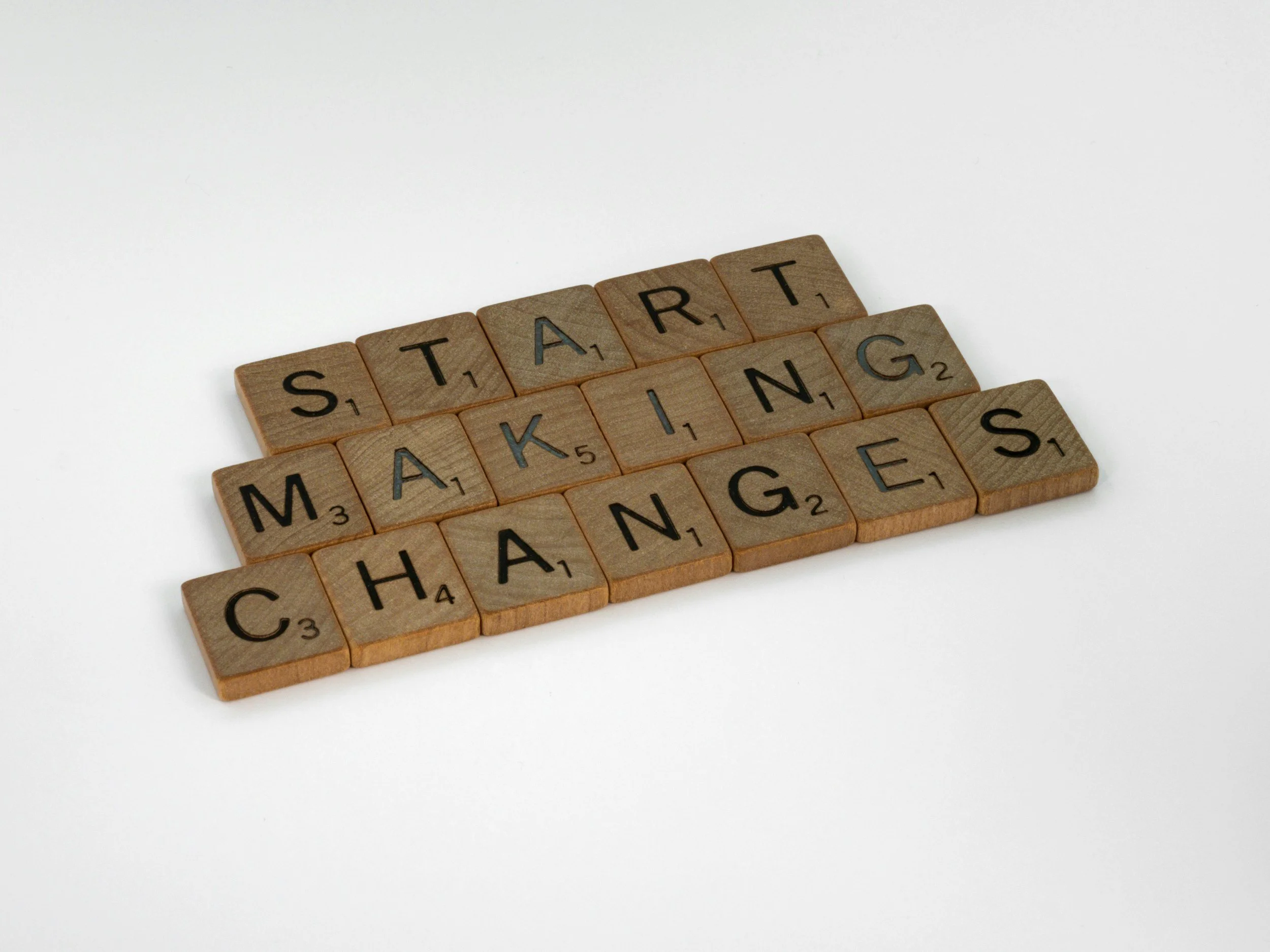
Therapy can provide support when self-judgment, perfectionism, or discouragement make it difficult to move forward. The middle of the year isn't a report card—it's simply a checkpoint. There's still time to make meaningful changes, one step at a time.
Mid-Career Burnout: What to Do When the Path You Chose No Longer Fits
Many people spend years working toward career goals, earning promotions, developing expertise, and building professional stability. Yet at some point, even successful individuals may find themselves asking an uncomfortable question: "What if this no longer feels right?"
Mid-career burnout is often more complex than feeling tired or needing a vacation. It can involve a deeper sense of disconnection from work that once felt meaningful. You may find yourself feeling unmotivated, emotionally exhausted, cynical, or questioning whether the path you've invested years pursuing still aligns with who you are today.
These feelings can be confusing, especially when your career appears successful from the outside. You may have financial stability, professional accomplishments, and the respect of colleagues, yet still feel unfulfilled. This can create guilt and self-doubt, leading many people to dismiss their concerns or push through without addressing them.
The reality is that people change over time. The goals, values, and priorities that shaped your decisions ten or twenty years ago may not be the same ones guiding you today. Experiencing a shift in perspective doesn't mean you've made the wrong choices. It may simply mean you're entering a new stage of growth.
Before making major career decisions, it can be helpful to explore what's contributing to the burnout. Are you exhausted from unrealistic workloads? Do you feel disconnected from your purpose? Have personal responsibilities changed? Are you craving greater flexibility, creativity, or balance?
Burnout often develops gradually, making it difficult to recognize until it becomes overwhelming. Paying attention to signs such as chronic fatigue, irritability, loss of motivation, or increased anxiety can help you identify when it's time to reassess your needs.
Not every experience of burnout requires a complete career change. Sometimes meaningful improvements come from setting healthier boundaries, adjusting expectations, exploring new opportunities within your field, or reconnecting with aspects of work that feel rewarding.
Therapy can provide a space to reflect on your professional identity, clarify your values, and navigate career transitions with greater confidence. Feeling uncertain about your next chapter doesn't mean you've failed. It may simply mean you're ready to create a version of success that better reflects who you are now.

The Graduation Cliff: Handling the Anxiety of Transitioning Out of College
Graduation is often portrayed as an exciting milestone filled with celebration, opportunity, and possibility. While those things can certainly be true, many students experience something else alongside the excitement: anxiety.
After years of structured schedules, academic goals, and clearly defined next steps, graduation can feel like stepping off a cliff into the unknown. Questions about careers, finances, relationships, living situations, and future goals suddenly move from "someday" concerns to immediate realities. For many young adults, this transition can feel overwhelming.
It's important to remember that not having everything figured out is not a sign that you're behind. Life after graduation is often a period of exploration and adjustment. Career paths evolve, priorities change, and many people discover opportunities they never anticipated when they first left college.
Instead of focusing on having all the answers, consider narrowing your attention to the next step. What is one action you can take this week that supports your goals? Progress is often built through small, consistent decisions rather than one perfect plan.
This transition is also an opportunity to reconnect with your values and define success on your own terms. The goals that matter most to you may look different from those of your peers, and that's okay.
If graduation-related anxiety is affecting your confidence, motivation, or emotional well-being, therapy can provide support during this significant life transition. You don't need a perfectly mapped-out future to move forward. Sometimes growth begins with trusting yourself enough to take the next step, even when the entire path isn't visible.

Beyond the Cap & Gown: Navigating College Transition Anxiety
As the fall semester approaches, recent high school graduates experience a wave of excitement that often mixes with a common, yet often unaddressed, feeling: anxiety about the transition to college. It's a huge leap, marked by new academic pressures, unfamiliar social settings, and a sudden surge of independence. If you're feeling a mix of thrill and worry, know that you're not alone.
The structured world of high school, with its familiar routines and established friend groups, gives way to an environment that demands self-reliance and the forging of new connections. This shift can be a major source of stress, leading to worries about academic performance, fitting in, managing newfound freedom, and even financial concerns.
But here's the good news: this anxiety is a normal part of a significant life change, and there are many effective ways to cope and thrive.
Your Coping Toolkit for College
Acknowledge Your Feelings: It's okay to be nervous, excited, or a mix of both. Don't suppress your emotions. Talk to trusted friends, family, or a mentor about what you're experiencing. Sharing your worries can make them feel less overwhelming.
Get Proactive & Prepared: Uncertainty fuels anxiety. Familiarize yourself with your new campus by visiting if possible, taking virtual tours, or exploring online resources. Understand your academic program, course registration, and campus services. The more you know, the less overwhelming it will feel.
Build Your Support Network: Connect with future classmates online or through orientation programs. Once on campus, actively seek out opportunities to meet people. Join clubs, attend campus events, or simply strike up conversations in your classes or dorm. Remember, many students are in the same boat, looking to make friends.
Master Time Management: College life demands a new level of organization. Invest in a planner (digital or physical) and map out your classes, assignments, and due dates. Break down large tasks into smaller, manageable steps to avoid feeling overwhelmed. Schedule dedicated time for studying, but also for relaxation and social activities.
Prioritize Self-Care: This isn't a luxury; it's essential. Make sure you're getting enough sleep, eating nutritious meals, and incorporating regular physical activity into your routine. Even short walks or quick stretches can make a big difference. Find activities that help you de-stress, whether it's listening to music, journaling, or practicing mindfulness.
Set Realistic Expectations: College won't be perfect and that's perfectly fine. There will be challenges, but these are opportunities for growth. Focus on learning and adapting rather than striving for an unattainable ideal.
Utilize Campus Resources: Your college has a wealth of support systems in place for students. Don't hesitate to reach out to academic advisors, counseling services, or student support centers if you're struggling. These professionals are there to help you navigate academic, personal, and mental health challenges.
Challenge Negative Thoughts: When anxious thoughts creep in, try to reframe them. Instead of "I'm going to fail," try "This is a new challenge, and I'll learn as I go." Practice positive self-talk and remind yourself of your past achievements and resilience.
The transition to college is an exciting journey. By acknowledging your anxiety and actively using coping strategies, you can confidently embark on this exciting new chapter, ready to embrace the opportunities for growth and discovery that lie ahead.